Accessibility Testing
Why Human Accessibility Testing Matters
Most organisations now understand that digital accessibility matters, but many still rely too heavily on automated tools for accessibility testing. Automated checks can be useful, but they only identify a limited part of the problem. They cannot tell you whether a page makes sense to a screen reader user, whether a form is genuinely usable, or whether a disabled person can complete a real task without frustration.
That is why our accessibility testing is led by real people with lived experience of disability. Our team uses assistive technology every day. They do not guess what barriers feel like. They encounter them, recognise them and explain them clearly.
Why Automated Checks Are Not Enough With Accessibility Testing
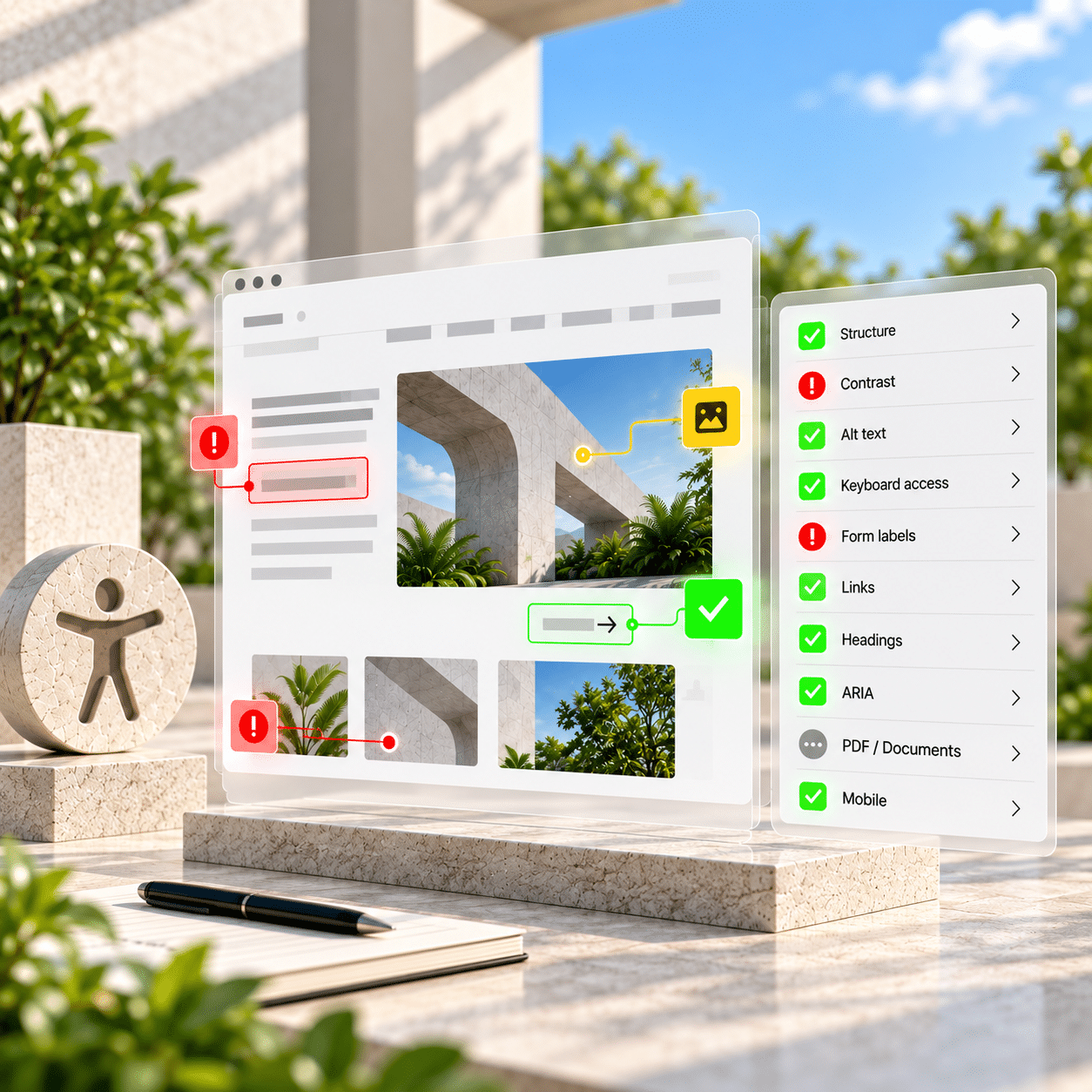
Automated tools can detect some technical issues, such as missing alternative text, empty buttons or colour contrast failures. They are useful as part of a wider process, but they are not enough on their own.
A page can pass an automated scan and still be difficult or impossible for disabled people to use. A menu may appear to work visually but fail with keyboard navigation. A heading structure may look tidy on screen but make no sense when read aloud. A form may look complete but provide no useful error guidance.
Proper accessibility testing needs human judgement. It needs people who can assess usability, context, clarity and real interaction. That is where our team makes the difference.
How Our Accessibility Testing Works
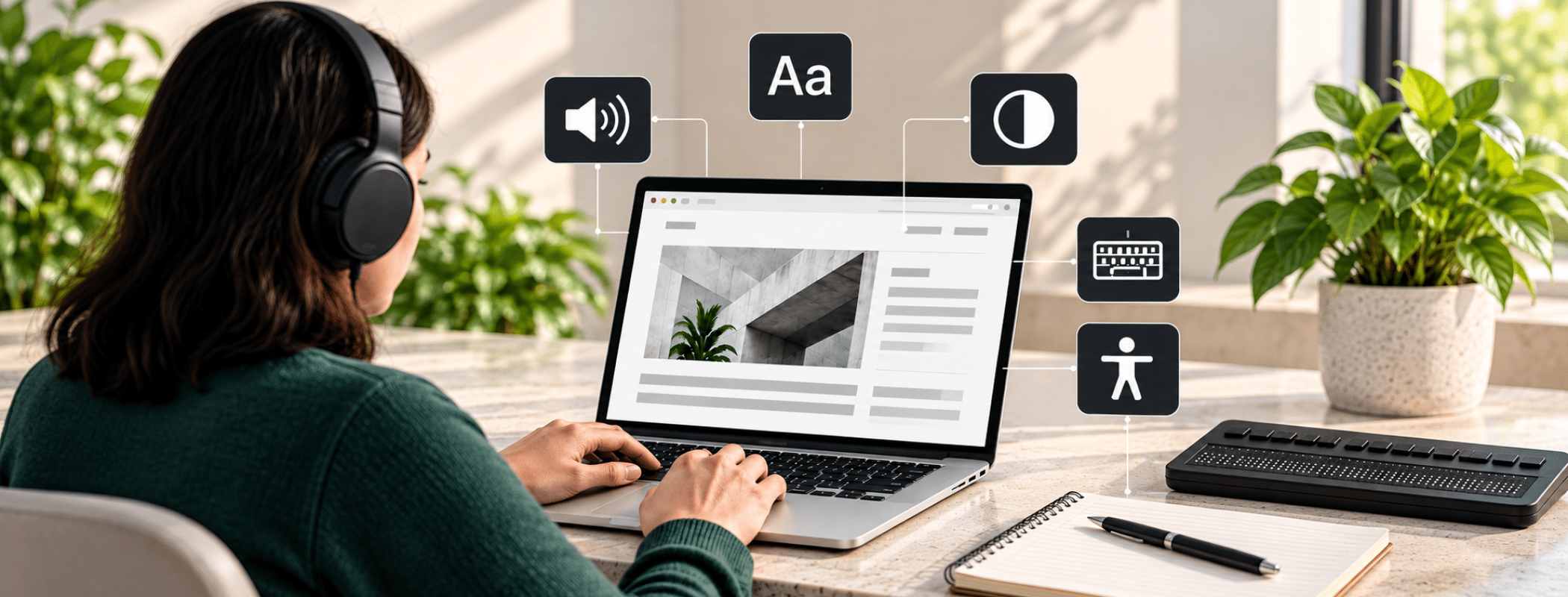
Our accessibility testing combines technical knowledge with lived experience. We review how a website behaves when used with screen readers, keyboards, voice control, magnification, colour preferences and other assistive technologies.
We look at practical user journeys, not just isolated page elements. That means checking whether people can navigate, understand content, complete forms, access documents, interact with controls and recover from errors.
Our testers identify the barriers that automated tools miss. They also explain why those barriers matter, who they affect and what needs to change. This makes the findings easier to understand and easier to act on.
Meet Our Accessibility Testing Team
Our testers have different disabilities and use a wide range of assistive technologies. They do not simulate user experience. They live it. That is why our accessibility testing is rooted in genuine practical insight.
Each tester brings a different perspective. Together, they help us build a fuller picture of how a website performs for disabled users in real situations.
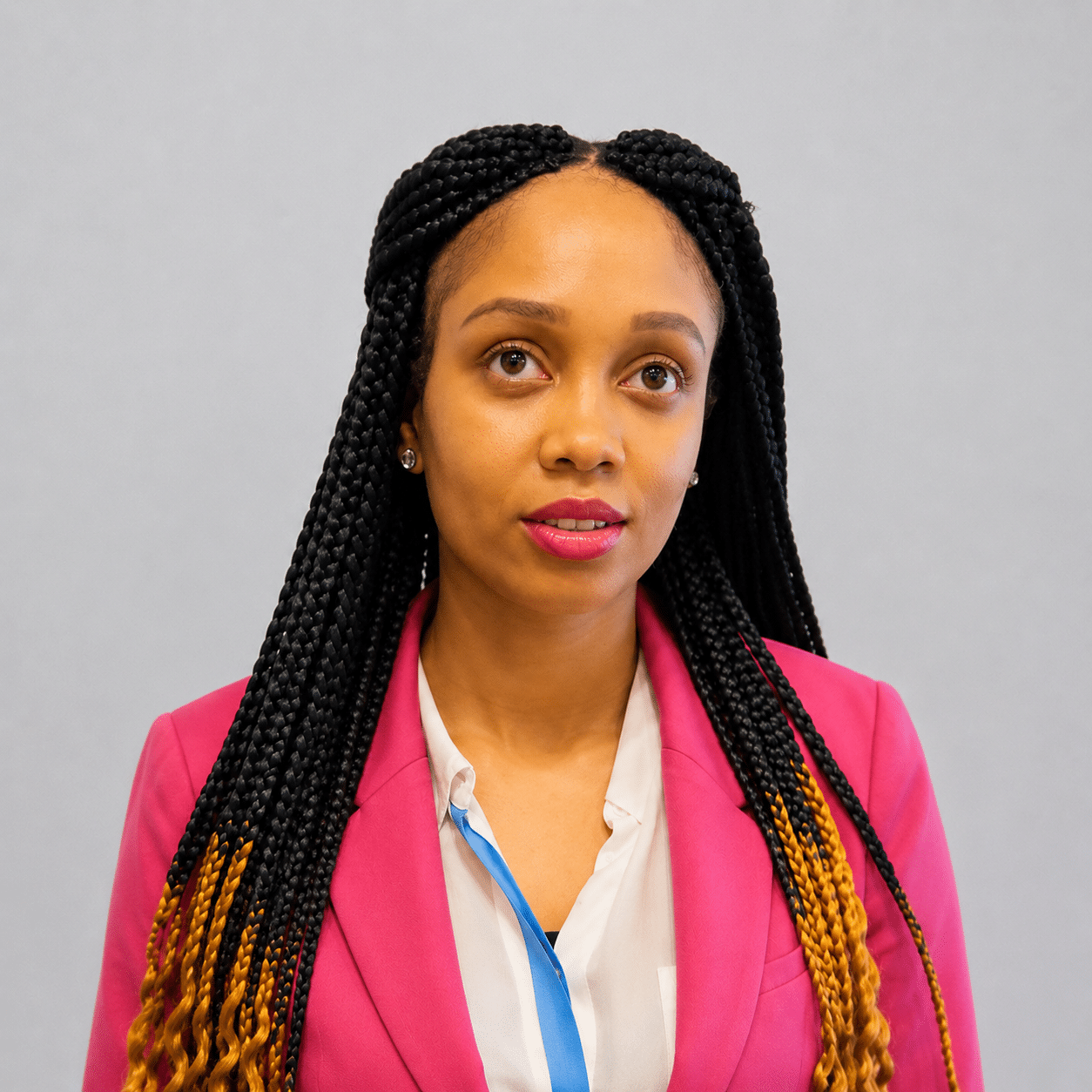
Mede
Superpower: Blindness
Weapons: JAWS + KeyboardGutentor Advanced Text
Mede has been visually impaired since she developed a degenerative eye condition as a child. She completed her Masters Degree in Marketing at Sussex University. She uses the screen reader JAWS, together with a keyboard, for both accessibility testing and daily digital tasks.
She is passionate about disability and inclusion. Accessibility in marketing is something she can offer a unique perspective on, especially when reviewing content, structure and user journeys.
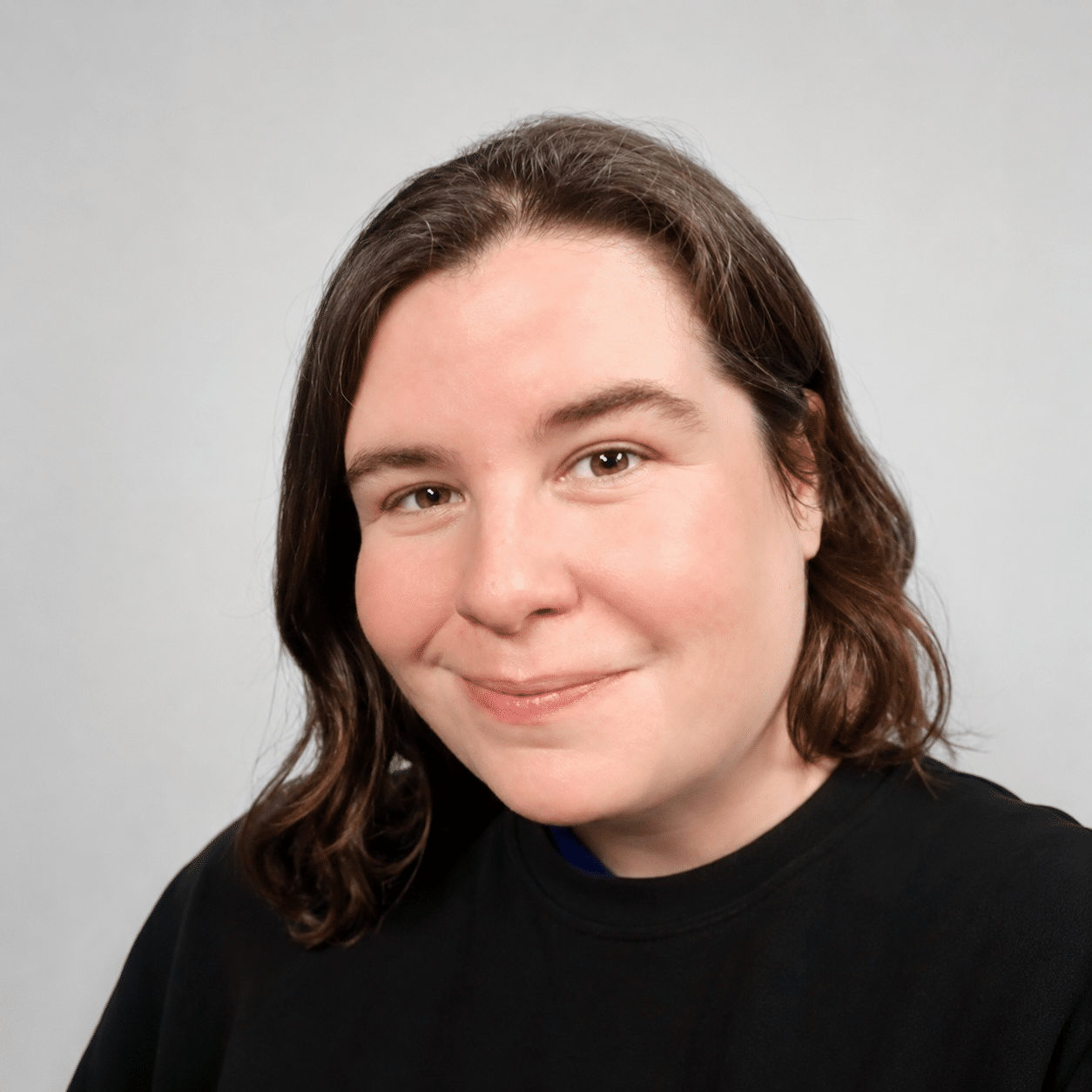
Iona
Superpower: Cannot use hands
Weapons: Voice and Dragon Dictation Software
Iona can speak 17 languages. She used to photograph some of the worlds biggest rock bands. Following a brain injury, she developed a hand disability and is unable to use a keyboard or mouse.
She uses Dragon Dictation software to navigate websites, interact with digital content and carry out accessibility testing. She also has ADHD, so contrast, clarity and layout are especially important to her. Poor contrast affects her directly, which gives her immediate insight into issues that may otherwise be missed.
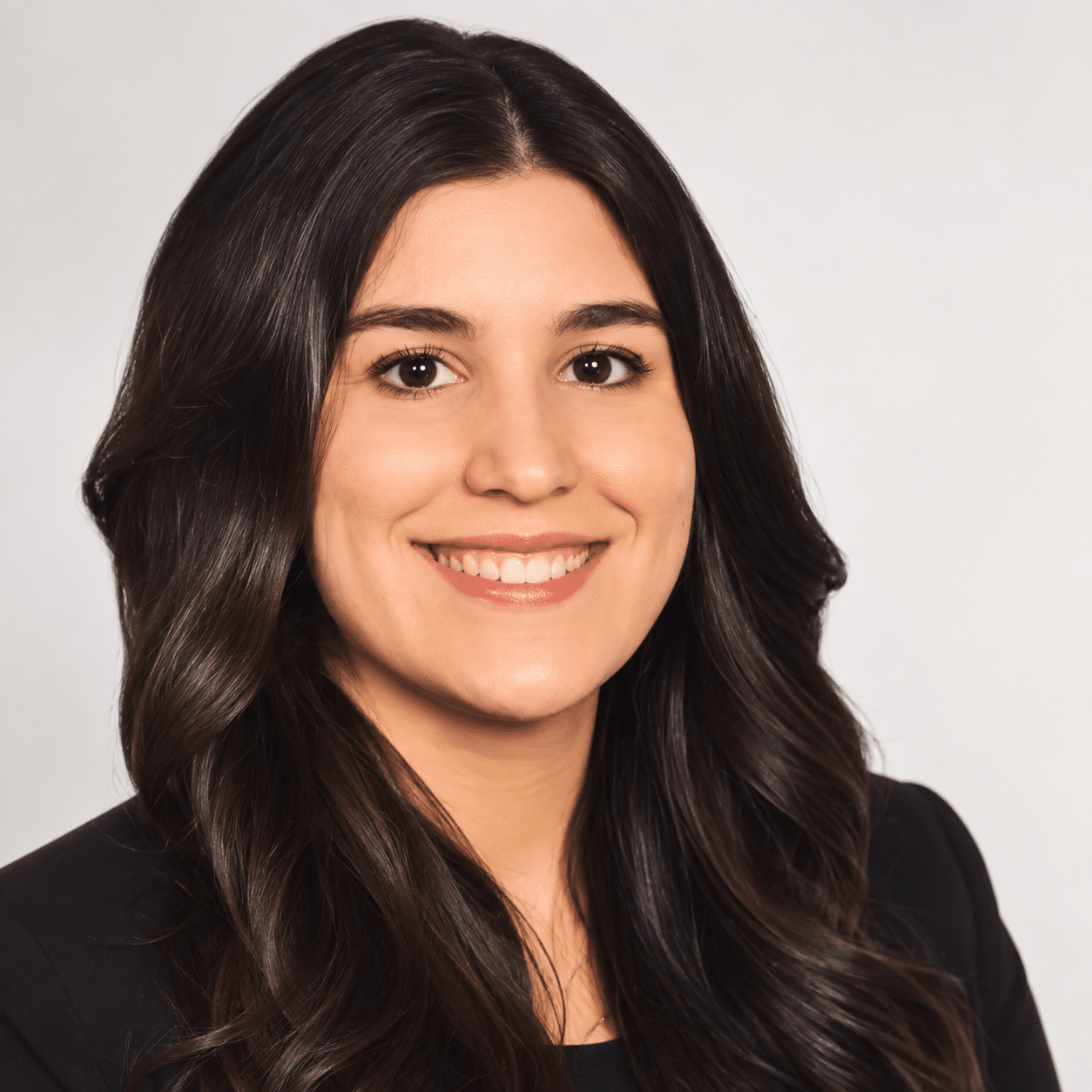
Sara
Superpower: Neurodivergent
Weapons: Dark Mode
Sara is an engineer with ADHD and dyspraxia. She finds elements such as pop up windows very distracting. White backgrounds give her headaches, and poor contrast affects her ability to read clearly.
She often copies web content into another application so she can absorb the information more comfortably. Her perspective is especially valuable when reviewing content clarity, layout, distraction, readability and cognitive load.
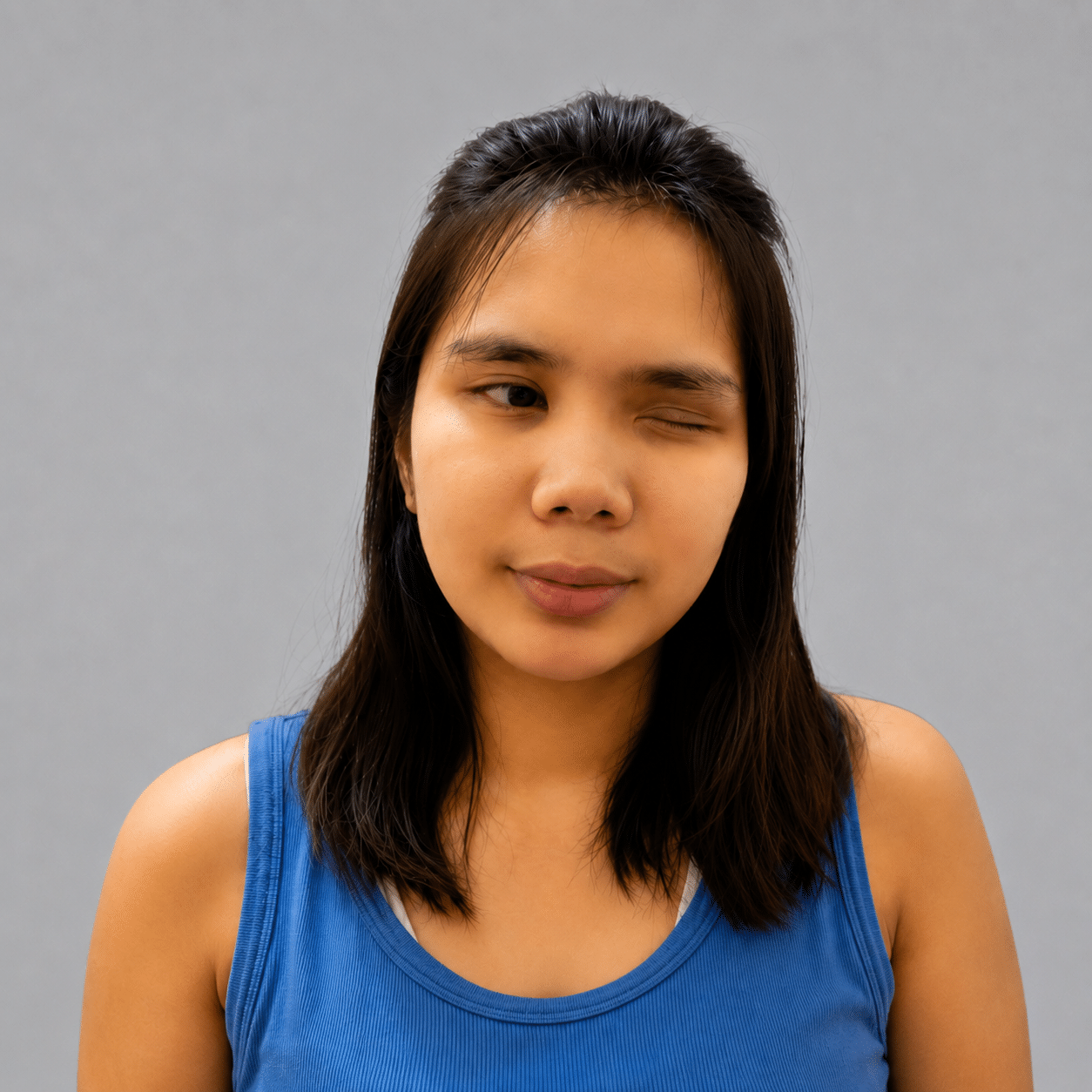
Lleona
Superpower: Blind
Weapons: NVDA Screen Reader, Keyboard
Lleona was visually impaired due to retinal detachment in childhood. She is an Associate in Computer Technology and the lead writer for VIFALs YouTube channel.
She uses NVDA and a keyboard to review website structure, navigation, content order and interactive elements. In addition to accessibility testing, she also records insightful audio reviews of PDFs and other documents.
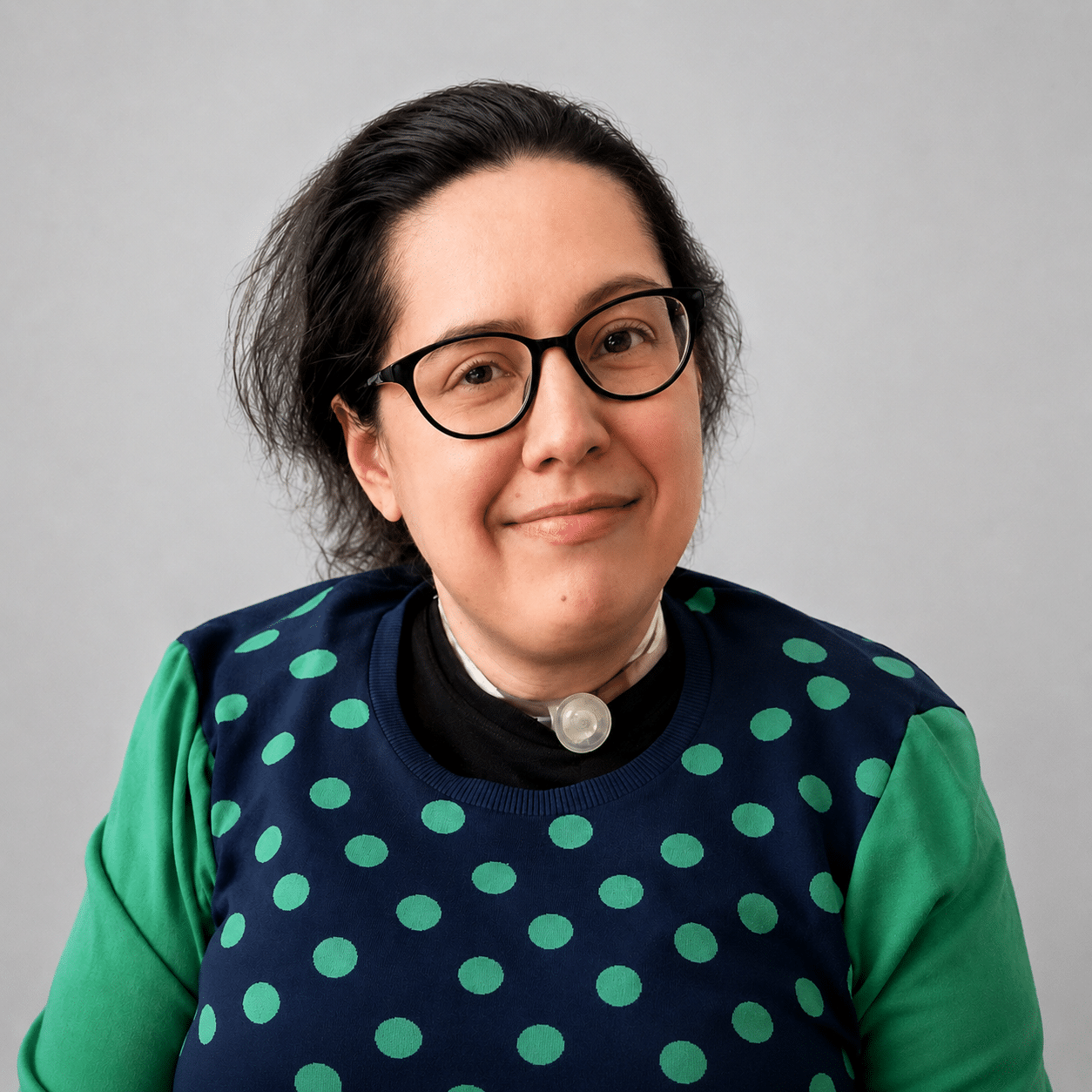
Esther
Superpower: Cannot use hands
Weapons: Face Control
Esther is an accessibility tester with nearly 2 decades of lived and professional experience in assistive technology and augmentative and alternative communication. Following brain stem tumour surgery in 2006, she has quadriplegia and a speech disability.
Her experience gives her a powerful perspective on navigation, interaction, control methods and the practical effort required to use digital services when standard input methods are not available.
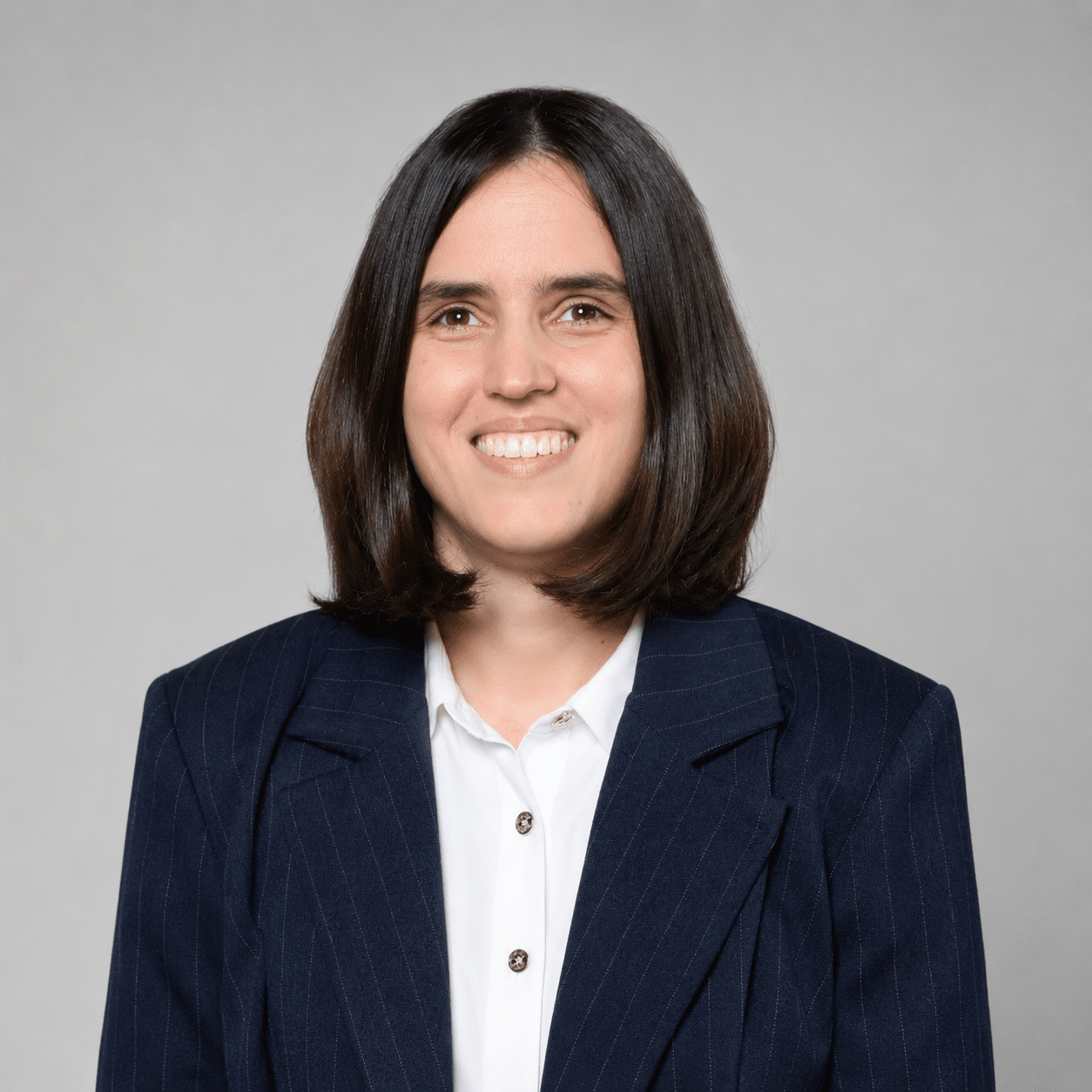
Krista
Superpower: Blind
Weapons: JAWS and NVDA Screen Readers, Keyboard
Krista is a visually impaired skier and copywriter. She uses both JAWS and NVDA screen readers. She also shoots and edits her own videos.
She reads websites at such high speed with her screen reader that she has to slow it down for us to understand during a live review. Her testing is especially valuable for understanding whether page structure, links, headings and content order work properly for experienced screen reader users.
Watch this amazing clip to see her in action:
Accessibility Testing You Can Trust
Accessibility testing should not be a box ticking exercise. It should show you what disabled people actually experience when they use your website.
Our team gives you clear, human insight into the barriers that matter. You will understand what is going wrong, why it matters and what needs to be improved.
Would you like to speak with people
who understand inclusive web design?
Whether you are planning a new website, reviewing an existing platform or trying to understand your accessibility obligations, we would love to help.
Please get in touch to discuss your project, accessibility goals or digital challenges.